
UNDERTHE HOOD.
If you're here, you probably want to know more details. What exactly is mycoprotein and how is it produced? Welcome to the deep end.
Fermentation is older than agriculture.
Humans have been fermenting fungi for centuries — sourdough, soy sauce, miso, kombucha, beer, sill.
The process.
Hover a step to see what happens
A batch of helpful, living microbes used to kickstart the fermentation.
The fungi is grown into a larger quantity, preparing for the bigger tank.
The fungi grows into a mycelium network that becomes the mycoprotein.
Blended with premium beef, onion, salt and spices in Sweden.
Similar to pasteurization (60–70°C). Deactivates the fungi, locking in nutrients and keeping the mycoprotein fresh.
The liquid is strained from the mycoprotein.

Fungi starter culture
A batch of helpful, living microbes used to kickstart the fermentation.

Preparing stageFeeding with sugar
The fungi is grown into a larger quantity, preparing for the bigger tank.

Fermentation
The fungi grows into a mycelium network that becomes the mycoprotein.
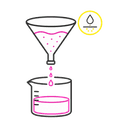
Harvest
The liquid is strained from the mycoprotein.

Heat treatment
Similar to pasteurization (60–70°C). Deactivates the fungi, locking in nutrients and keeping the mycoprotein fresh.
 SMAQO products
Mix together with meat
Blended with premium beef, onion, salt and spices in Sweden.
Mycoprotein is formed through fermentation, as fungi naturally grow into a fibrous network. The process of fermentation is simple and has been used for thousands of years — it's used to make foods like cheese, beer, kombucha, and sourdough bread. Unlike plant-based alternatives, mycoprotein is complete and high-quality, which means it provides all the essential amino acids the body needs.
What's actually in it.
What the fermented mycoprotein inside brings to the table.
What the fungi add
- Protein
- Complete — all 9 amino acids
- Fiber
- Naturally high
- Vitamins
- B-complex
- Minerals
- Iron · zinc · calcium
- Saturated fat
- Naturally low
- Process
- No extrusion, no chemicals
The fermented mycoprotein portion
Low & balanced fat
Naturally low in fat at just 1.5 g per 100 g, with 76% coming from unsaturated fats your body prefers.
Prebiotic fiber
Naturally high in dietary fiber, including chitin and β-glucans, which support gut health and smooth digestion.
High-quality protein
Complete, high-quality protein with all the essential amino acids your body cannot produce itself — a quality comparable to beef.
Balanced blood sugar
The natural fiber content helps slow digestion, supporting more stable blood sugar levels.
Higher satiety
Promotes lasting fullness, helping you feel satisfied longer than a comparable chicken meal.
Supports cholesterol management
Mycoprotein consumption has been shown to help lower blood cholesterol levels.
The tech is interesting. The meatballs are better. Find SMAQO in your grocery store or read more about us.